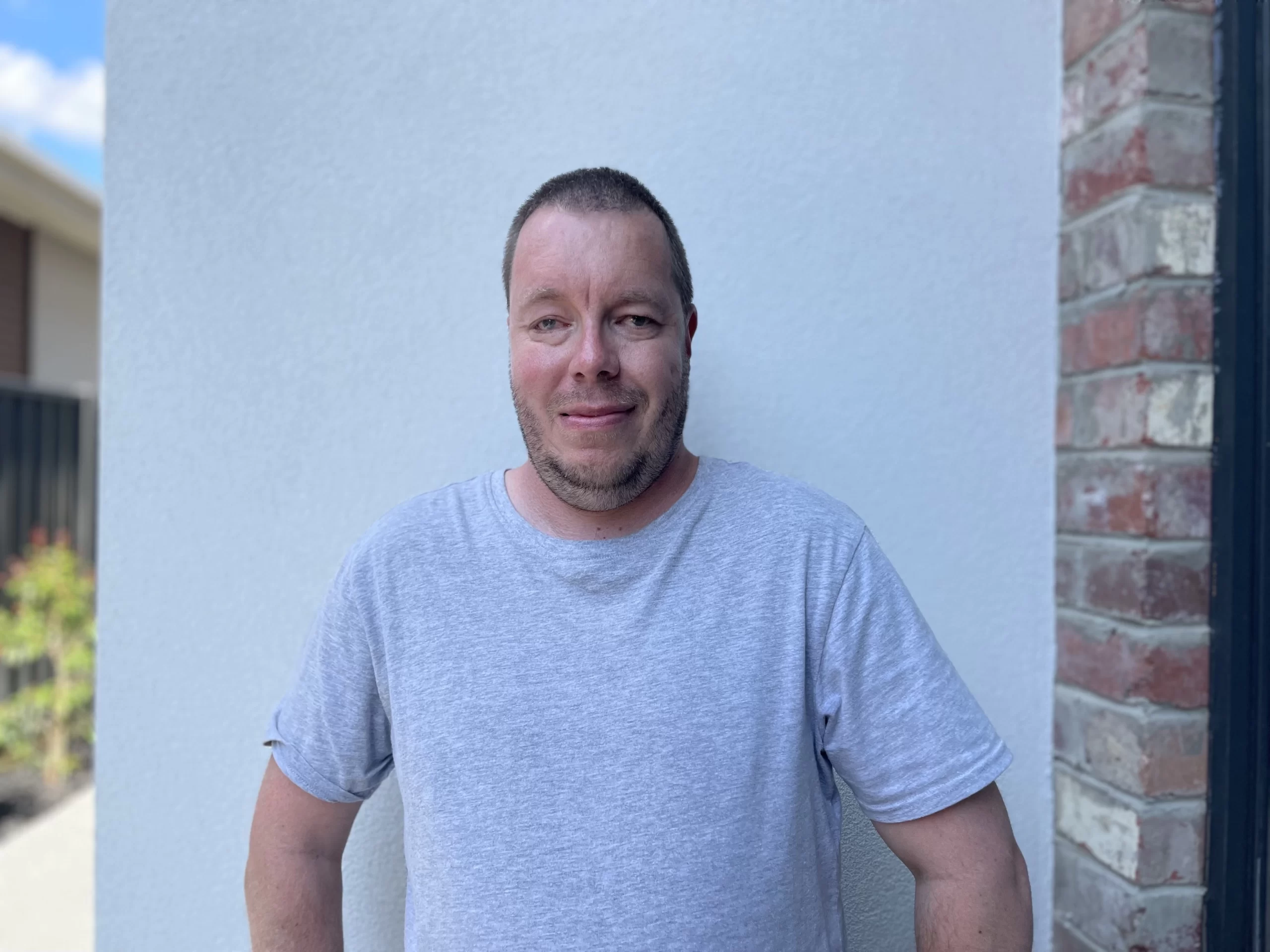
Grant Henderson was 38 when he lost his hearing in his right ear. From seven years old he had also been blind in his right eye.
And while Grant had to adapt in many ways to his loss of hearing (he could no longer drive, for one thing), he doesn’t think of himself as a person with a disability – or at least not in the way that many Australians might think about people with disabilities.
“Everyone’s different, and we’ve all got different needs,” Grant said.
“There are a lot of disabilities, some of them are invisible, and we should respect everyone’s needs, regardless of whether people have a disability or not.
“I think International Day of Persons with a Disability is about bringing us to the forefront and reminding people that we’re all just human.
“We’re not to be ‘scared’ of, and people don’t have to be worried about saying the wrong thing, so long as you’re being respectful.
“We can live and work our day-to-day lives like everyone else.”
Supportive workplaces
Grant has worked at National Australia Bank for the past 10 years, where he always felt supported by his employer.
“My employer does really well in this space, they’re very respectful of people’s needs and we make sure we look after our people.”
He recalled working in the contact centre when he first started at NAB – an environment that was too loud and affected his work.
“Because of my hearing, I struggled with call centre work and management were understanding enough to put me in a different role.
“It seemed like a little thing at the time but looking back, if they hadn’t done that, I could have been out of a job.”
While Australian workplaces continue to strive for more supportive and inclusive working environments, Grant said there is no one size fits all.
“I’ve asked many of my friends who have a disability about what employers can do better to support them, and it all comes down to recognising that everyone is different.
“It’s about talking to people and asking them, ‘Hey, what can we do for you?’ and not, ‘No, we can’t do that’.
“It needs to be what’s right for the individual, not what’s right for the company.
“For example, my friend who is autistic usually gets an extra 15 minutes for lunch, and if he needs more time away from his desk then he’s allowed to do that because things can get pretty stressful.
“In an ideal world we’d have offices where everyone can come to work regardless of their disability.
“So if they need a certain setup, certain monitors, if they’re in a wheelchair then make sure there’s room for them to get around, all those kinds of things.
“It’s something that people don’t often think about, especially if there’s currently no one there who’s in a wheelchair, for example. But you never know, one day there might be.”
And when it comes to making the change we want to see, Grant said it was all about people power.
“It’s important to have health and safety reps in workplaces so we can push companies to ensure they’ve got the right measures in place to meet everyone’s needs.
“As a union, we can do that, we do have people power, and we do have committees that can drive that change.”
A different world
Grant said Australia has come a long way in the last few decades, not just in terms of technological advancements for people with disabilities, but also in terms of societal attitudes.
“When I was at school, all students who had a disability were put in the one classroom and that’s where they were, there was a lot more segregation.
“Those kids did get treated differently and got picked on, which is really sad.
“Nowadays, I think there’s more understanding that there are lots of different disabilities, but we shouldn’t segregate anyone. All those kids should be in the same classroom with their friends.”
Workplaces should be no different – and as unionists, that’s something we can all aspire to achieve.
“We need to not be prejudiced or arrogant or flippant about it, and realise that it’s 2024 – disability is a normal thing.
“We just need to treat people the way they want to be treated.”
Members interested in participating in the FSU’s Finance Workers with Disability Committee can reach out to their local FSU representative or contact the FSU at [email protected]
When you join the FSU, you get access to expert workplace support whenever you need it. From pay and conditions to restructures and workplace disputes, we help you understand your rights. You'll receive representation where it’s needed and access to exclusive member benefits that add value beyond the workplace. If something isn’t right, or you simply want clarity about your options, you don’t have to navigate it alone.
The Finance Sector Union respectfully acknowledges the Traditional Owners of the land on which we live and work, and pay respect to First Nations Peoples and their Elders, past and present.