
The RBA Executive Committee has decided to put their proposed Enterprise Agreement to a ballot of all staff, which will occur from 30 June - 2 July. They have made this decision without the agreement of FSU members.
The future of our Agreement is now in the hands of all RBA employees, who must decide whether to accept or reject management’s offer.
The FSU is recommending members vote no due to the poor pay offer, which falls well short of inflation.
The RBA’s pay offer of 9.5% over three years (3.5% + 3% + 3%) falls below inflation (currently 4.6% in May 2026). Due to global economic uncertainty, many analysts – including the RBA itself – are warning inflation may rise further. The proposed increases in years two and three rely on inflation falling below 3%, which now appears unlikely.
See Figure 1 to see how they compare.
Unfortunately not. You can see how it really compares in Figure 1 below.
Here are some other facts to consider:
No. The RDO cash out and introduction of wellbeing leave were cost-neutral for both employees and the RBA. The salary uplift some employees received was compensation for permanently losing 12 RDOs each year.
While wellbeing leave introduced additional flexibility, it came from existing personal/carer’s leave entitlements and did not provide additional leave. These changes should not offset below-inflation pay increases over the next three years.
While underlying inflation is useful for monetary policy, it excludes price movements that still affect employees’ household budgets – the real things we buy.
Pay outcomes should reflect the real increase in actual living costs. This is better captured by headline CPI.
Additionally, it now looks more likely that the RBA’s pay offer will fall below the lower inflation measure, which will leave all of us with an offer far below CPI. See Figure 1.
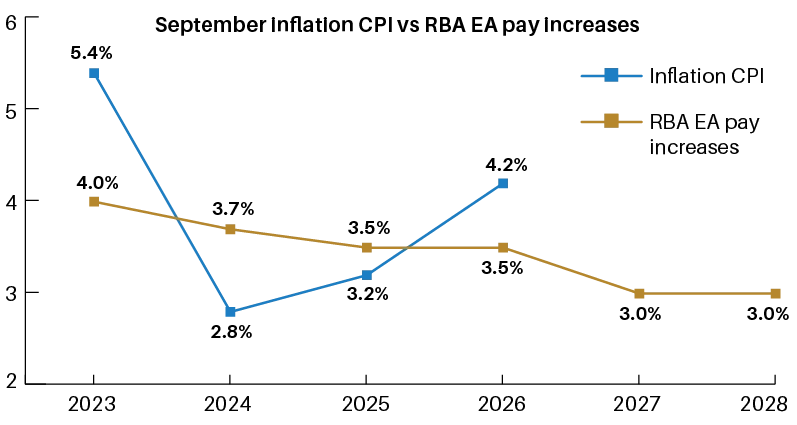
Figure 1: September inflation CPI vs RBA EA pay increases.
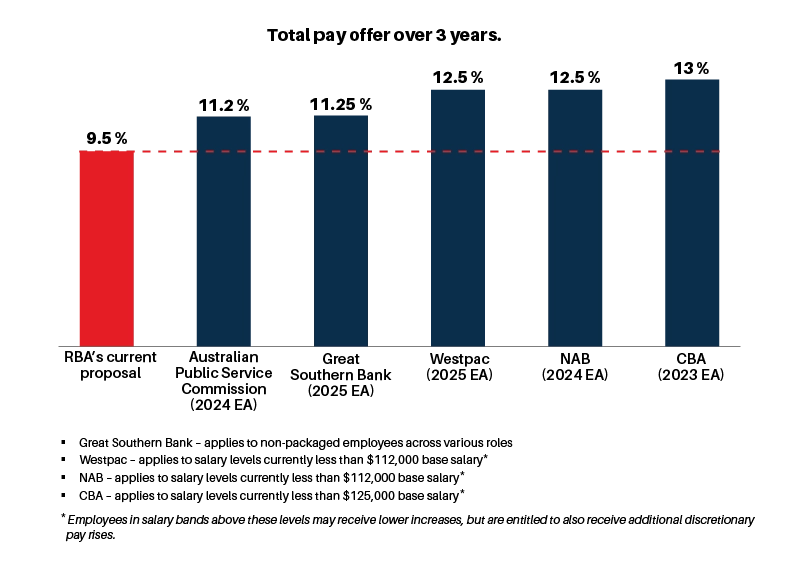
Figure 2: Total pay offer over three years.
It is disappointing that the Executive Committee has not sought final agreement from all parties before progressing to the ballot. However, while the Fair Work Act requires employers to negotiate in good faith with employees and unions, it does not require agreement to be reached before an employer puts a proposal to a staff ballot.
Vote no. If a majority of employees who are covered by the Agreement vote against the proposal at next month’s ballot, the RBA will be required to return to negotiations to discuss improvements to the offer. This occurred during the 2023 negotiations, when RBA employees voted ‘no’ and secured an improved pay outcome at a second ballot.
Similarly, FSU members at Aware Super and NAB recently voted no to poor pay offers and achieved significantly improved outcomes when negotiations resumed.
All RBA employees who are covered by the Agreement will receive an email with voting instruction closer to the ballot opening. Exact dates for the ballot are still to be confirmed, but we expect it to occur in middle to late June.
A simple majority vote against the proposal is enough to trigger further negotiations, with the aim of improving the offer. However, larger no votes generally lead to stronger outcomes. For example, a narrow majority can result in improved pay offers, while a 70% or higher no vote can lead to significantly better outcomes.
Therefore, it is important to not only vote no, but to also encourage your colleagues to do the same to ensure RBA employees send management a clear message they cannot ignore. Momentum is already building. What happens next is up to all of us.
If employees vote no, FSU bargaining representatives will continue seeking improved pay outcomes within the September timeframe.
If negotiations continue beyond September, Our union negotiators would seek backpay or compensation for any delay between the usual increase date and approval of a new Agreement. This occurred during the 2023 negotiations.
While delays are possible, it is important not to lock in below-inflation pay outcomes that also result in us falling behind our colleagues in the finance industry and the APS.
The proposed Agreement covers RBA Levels 1–4 employees and contractors employed by the RBA. Everyone covered by the proposed Agreement is entitled to vote in the ballot.
We don’t have to accept our wages going backwards. RBA employees must VOTE NO when the ballot opens and force management to resume negotiations for a fairer deal.
Content will show on frontend.



|
If AMP isn’t going to come to the table to negotiate our conditions with us, then we’ll need to force them. And we will do that by securing a majority support determination (MSD). That sounds complicated, but all it means is that a majority of people working at AMP (or in a particular business area of AMP) vote to say they want to bargain – then AMP is legally obligated to negotiate. Of course, there are some legal hoops we need to jump through, but right now the most important thing you can do is click here to join us. Now is the time to get as many of our colleagues involved and engaged in our campaign as possible. |