
The FSU welcomes the report handed down by the Senate Rural and Regional Affairs Inquiry into regional bank closures, and applauds the committee for listening to the voices of thousands of regional community members.
The Federal Financial Services Minister Stephen Jones must urgently step up and take immediate action to fully implement these recommendations with regulatory oversight and processes.
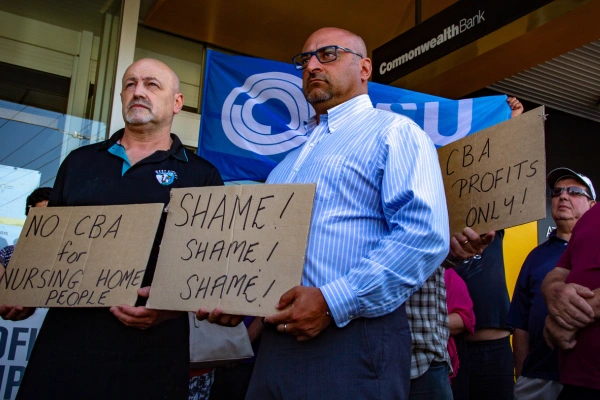
Members have told us they are trained to steer customers towards using ATMs and online banking to decrease in-person visits to branches. This approach leads to job insecurity as FSU members may face disciplinary action or termination if they do not meet the targets. If members do meet these targets, as they have been instructed, then the banks have the evidence they need to implement the branch closures.
The closing of regional branches in retail banking disproportionately affects women because they make up most front-line staff. This results in a higher number of job losses for women, who already have less job security compared to men who our survey’s show are more likely to hold business banking and sales roles.


Banks close bank branches with a primary focus on financial gain – overlooking the negative impact it has on the local communities and customers who rely on those branches. The Royal Commission into misconduct in the financial sector uncovered instances where banks have not sufficiently considered the consequences of such closures on their customers.
Banks are willing to cop the bad publicity from the closures because for most people it is too much of a hassle to switch their bank accounts in protest. Banks may argue that they are adapting to the digital banking trend, but the reality is that these closures cause significant hardship, especially for those who are older, less mobile, or lack access to technology.
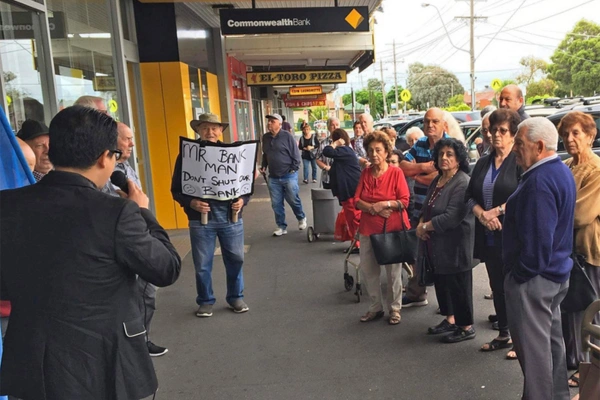
When a branch closes, it can have significant negative effects on the residents and businesses. These effects can include feelings of anxiety and concerns about safety and security, as well as additional costs associated with having to travel farther to access banking services.
The loss of a financial service can lead to a loss of economic opportunities for the community, resulting in job losses and a decrease in business for local retailers. This can have a cascading effect on the community, leading to population decline, the loss of skills and experience, and the erosion of cultural activities like the local footy, cricket, and netball team.
Content will show on frontend.



|
If AMP isn’t going to come to the table to negotiate our conditions with us, then we’ll need to force them. And we will do that by securing a majority support determination (MSD). That sounds complicated, but all it means is that a majority of people working at AMP (or in a particular business area of AMP) vote to say they want to bargain – then AMP is legally obligated to negotiate. Of course, there are some legal hoops we need to jump through, but right now the most important thing you can do is click here to join us. Now is the time to get as many of our colleagues involved and engaged in our campaign as possible. |