After nearly a decade of planning, as well as generations of resistance and activism from First Peoples,
be consulted on laws and policies affecting Indigenous communities.
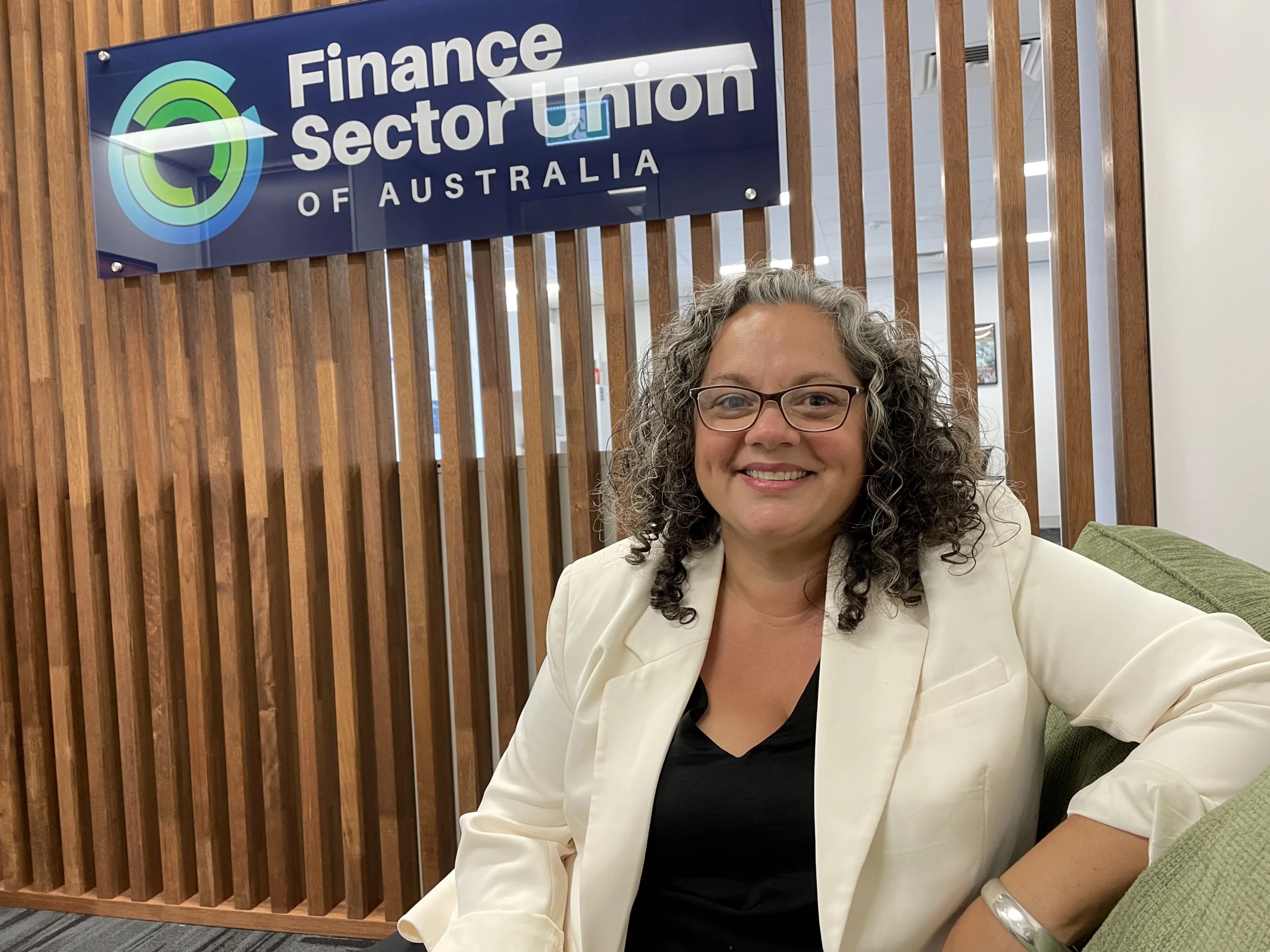
FSU member Pamela Anderson was in parliament in September to witness the historic moment the bill was introduced.
“We’re the only country with First Nations people that doesn’t have a Treaty,” Pamela explained.
“It’s a very late Treaty – normally they happen at the time of colonisation. That’s the case in many other countries, but for us it’s been much later.”
For Pamela, who is also a member of the FSU First Nations Finance Workers Committee, the Treaty is more than symbolism – it’s an opportunity to deliver real, tangible results to improve the lives of Aboriginal people.
“Traditionally, a Treaty would cover things like how First Nations people would be treated, their customs, how land would be allocated, how they’d be compensated in some way.
“That’s not necessarily what this Treaty is about. It’s more about closing the gap, truth telling, and making sure First Nations people are actually featured in our history.”
Outcomes negotiated through the Treaty include:
- Decisions about First Peoples made by First Peoples
- Truth-telling and healing
- Power to hold government to its promises
- Upgrading community infrastructure
- Building knowledge, skills and leadership.
You can read more about what the Treaty means here.
Where has the Treaty come from?
It’s important to understand that Victoria’s Treaty has not come about in the last year or two. In fact, it’s been nearly a decade in the making.
It has been carefully planned and negotiated by the First Peoples Assembly – a body representing First Nations people in Victoria, which is democratically elected every four years.
In a statement, the Assembly said:
“Government bureaucrats, no matter how well-intentioned, don’t know what works and doesn’t work for our communities – we do. If we want to see improvements in health, education and housing for our people, the practical solutions need to come from us.”
Importantly, the Treaty makes clear one simple principle: that First Peoples decide First Peoples’ issues – something that does not take anything away from anyone else.
As Pamela explained, “Part of the Treaty will mean First Nations people will have an opportunity to consult with government, and that government will consult with First Nations people on policies that impact them.
“There will be an opportunity to put forward suggestions and ideas, but there won’t be an opportunity to veto or override what government have put in, it’s not a third arm of government.”
Pamela said she hoped the Treaty would deliver better health, education and employment outcomes, as well as improved life expectancy for First Nations people.
“I also hope other states and territories look to the Victorian model as an example.
“Witnessing the bill passing was quite a shock, I couldn’t believe it was finally happening.
“In recent times, there have been concerns that the Treaty would fall behind or not be a priority, so it was exciting to see the Victorian government put this forward and make it a priority.”